 Yip Chemical | Masterbatch and Carbon Black Supplier
When it comes to ABS injection molding, achieving consistent, high-quality black coloration is both an art and a science.
Black masterbatch offers a cost-effective, efficient solution for coloring ABS resins, but its successful application depends on several critical factors.
Whether you’re manufacturing automotive parts, electronic housings, or consumer goods, understanding these nuances can make all the difference.
Why Choose Black Masterbatch for ABS Injection Molding?
Black masterbatch is widely favored for its ability to deliver deep, uniform black shades while enhancing certain material properties.
It disperses evenly within ABS resins, ensuring consistent color from batch to batch.
Additionally, it can improve UV stability and provide some level of conductivity, depending on the carbon black grade used.
Key Considerations for Optimal Results
1. Dispersion and Compatibility
The quality of dispersion directly impacts the final product’s appearance and mechanical properties.
Poor dispersion can lead to streaks, speckles, or weakened structural integrity.
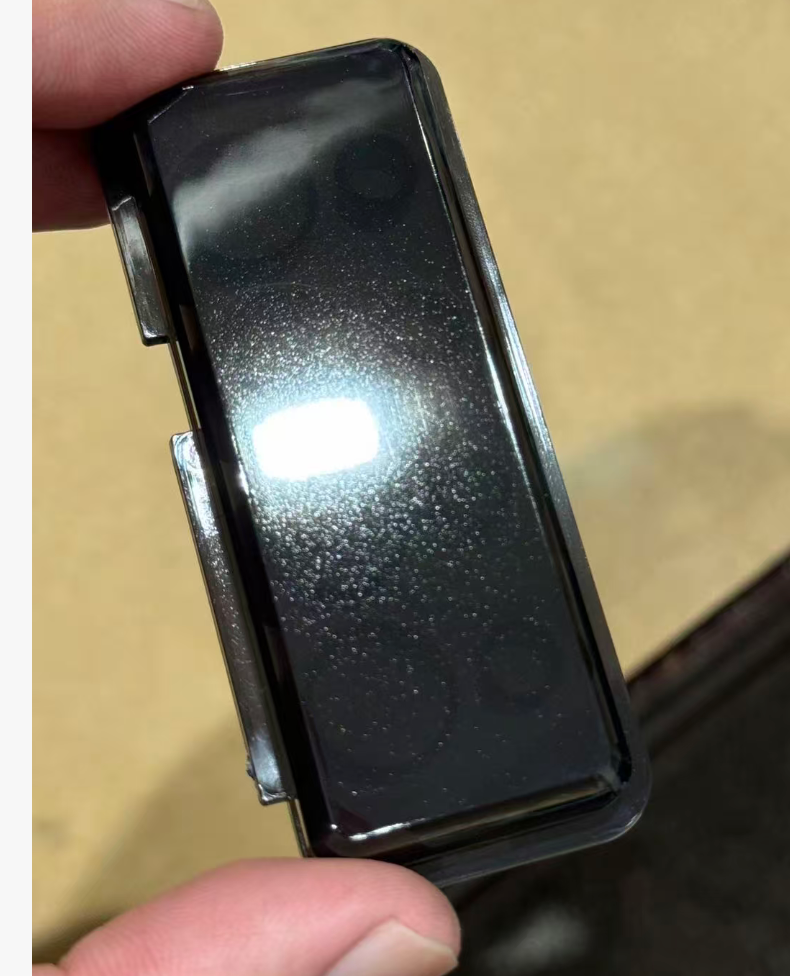
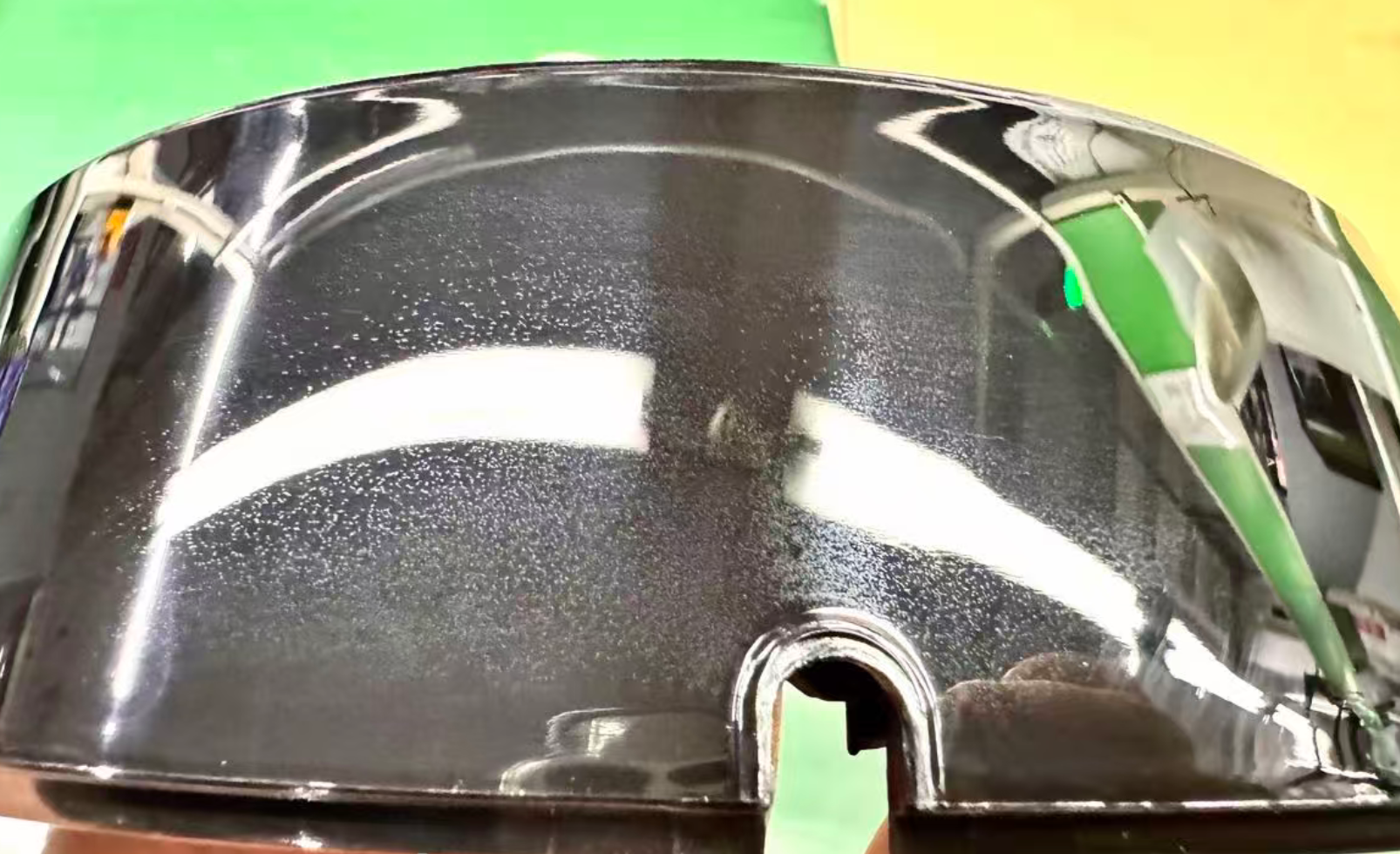
Ensure the masterbatch carrier is fully compatible with ABS to avoid issues like delamination or reduced impact strength.
2. Loading Ratios
Typical loading ratios range from 1% to 5%, depending on the desired shade intensity and the masterbatch’s pigment concentration.
Overloading can affect the ABS’s flow properties and final performance, while underloading may result in uneven coloring.
Always follow the manufacturer’s recommendations for optimal results.
3. Processing Temperature
ABS processes at temperatures between 200°C and 240°C.
The black masterbatch must withstand these temperatures without degrading.
Excessive heat can cause color shift or even break down the carbon black, leading to poor performance.
4. Moisture Control
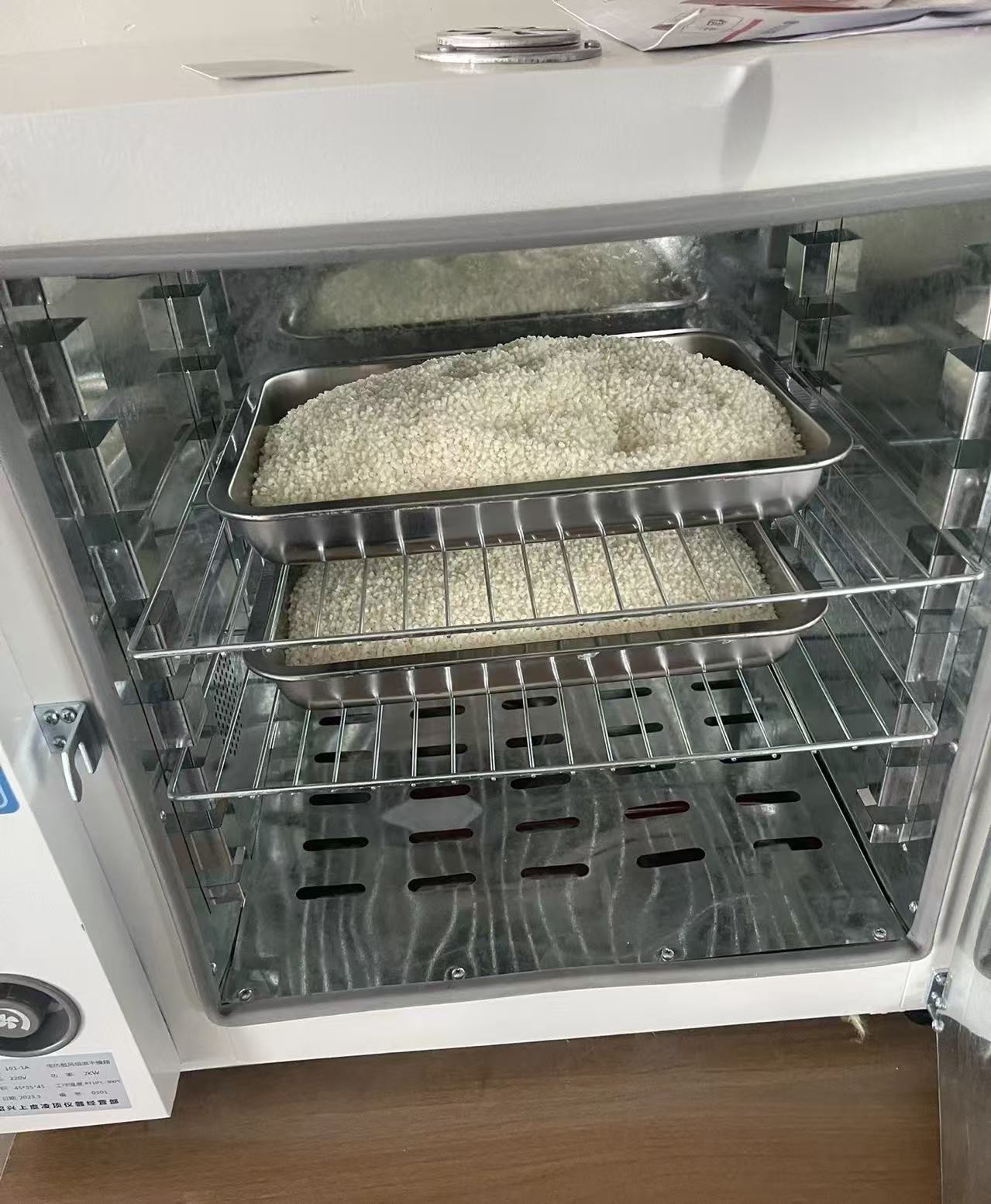
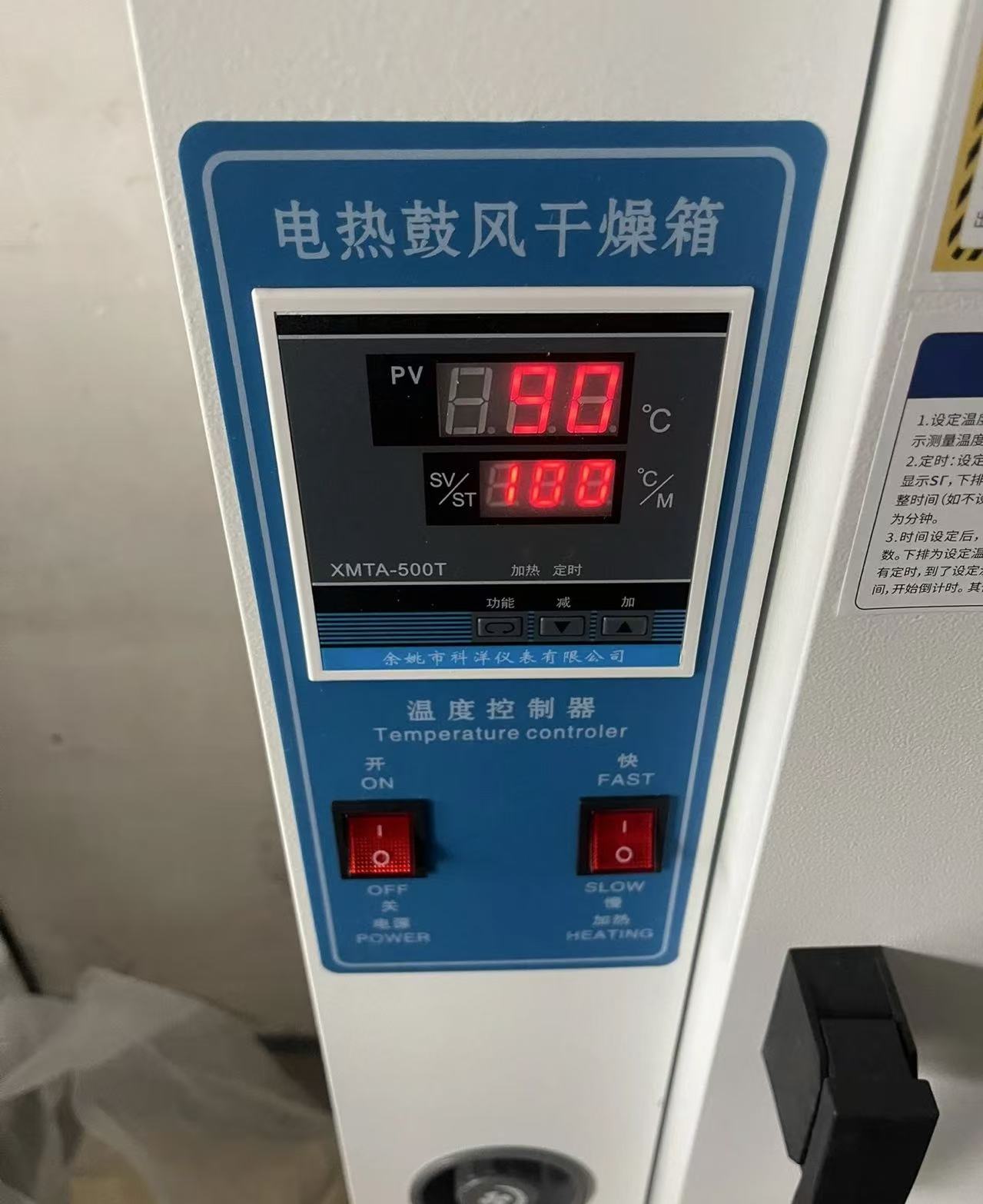
Both ABS and masterbatch are hygroscopic.
Moisture can cause splay marks, bubbles, or reduced mechanical strength.
Pre-drying the ABS resin and masterbatch before processing is essential—typically at 80°C for 2–4 hours.
5. Screw Design and Injection Speed
A screw with adequate mixing sections ensures proper dispersion of the masterbatch in the ABS melt.
Moderate injection speeds help avoid shear-induced overheating, which can degrade the polymer or cause color inconsistency.
Common Challenges and Solutions
Uneven Color Distribution: Optimize screw speed and backpressure.
Surface Defects: Check moisture content and adjust processing temperatures.
Reduced Mechanical Properties: Verify compatibility and avoid overloading.
Why Source from a Trusted Supplier?
Not all black masterbatches are created equal.
Inferior products may contain impurities, poor-quality carbon black, or incompatible carriers, leading to production delays and subpar parts.
At , we specialize in high-performance black masterbatch solutions tailored for ABS injection molding.
Our products ensure:
Superior Dispersion: For consistent, streak-free coloration.
Enhanced Stability: Withstand processing temperatures without degradation.
Technical Support: Expert guidance on loading ratios and processing parameters.
Conclusion
Using black masterbatch in ABS injection molding can streamline production and deliver outstanding results—when handled correctly.
By paying attention to dispersion, loading ratios, temperature, and moisture, manufacturers can avoid common pitfalls and achieve flawless black components.
Ready to elevate your ABS molding process?
Explore our range of reliable, high-quality black masterbatch products at .
Contact us today for samples or tailored recommendations!
YipChem – Your Partner in High-Performance Polymer Solutions.