

Recycled Carbon Black (also called Recovered Carbon Black or rCB / Pyrolysis Carbon Black) 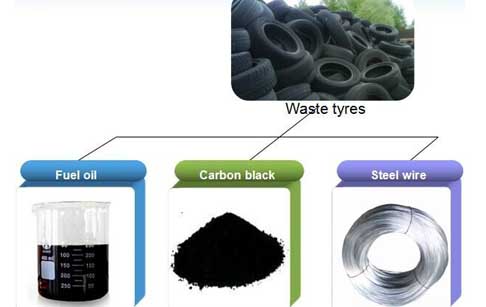
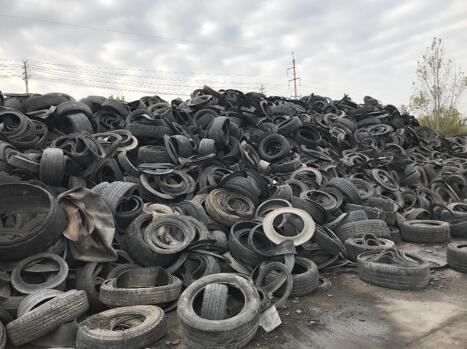
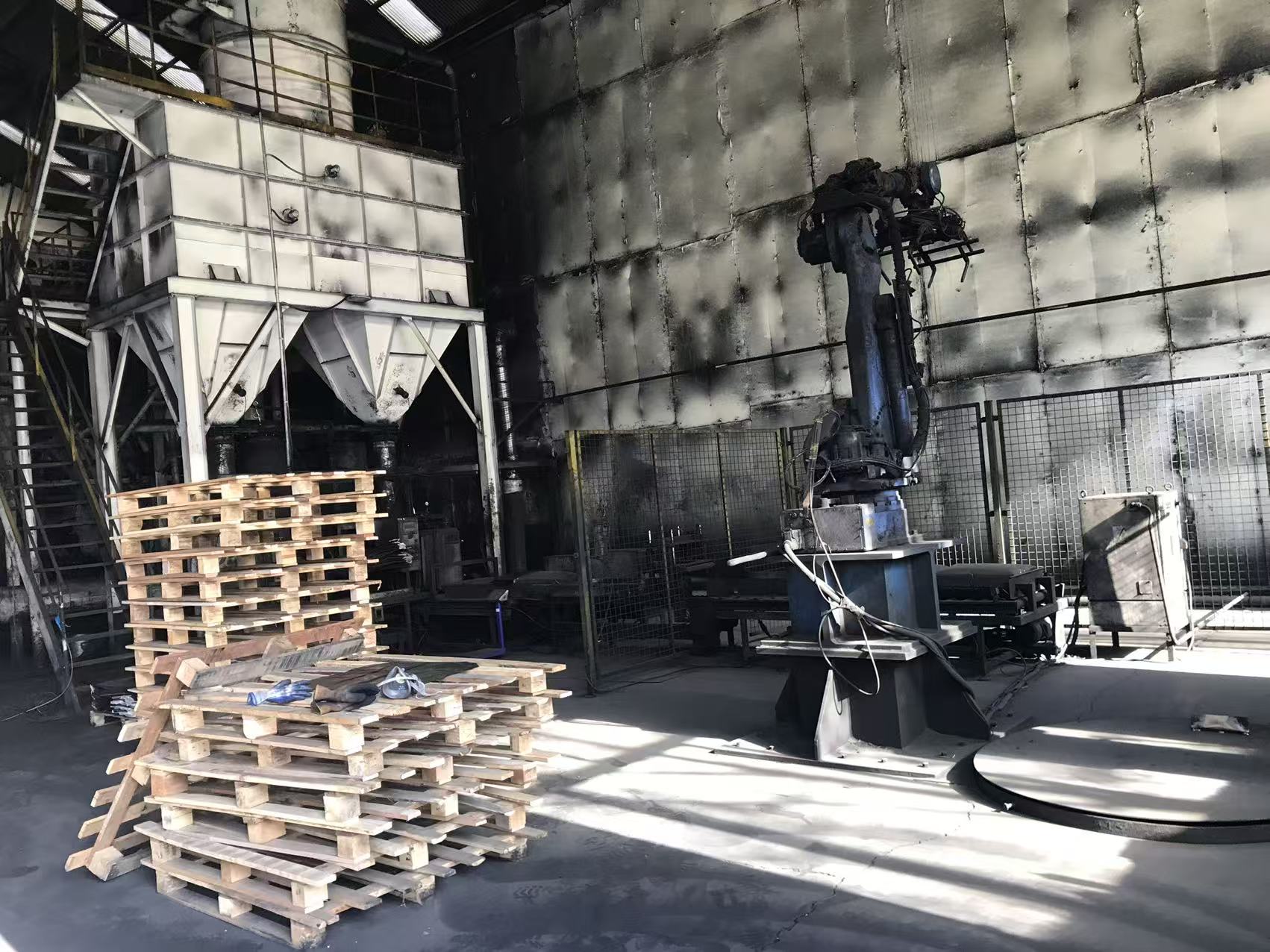
is a sustainable alternative to virgin carbon black, produced by thermally decomposing end-of-life tires
(or other carbon-rich waste rubber/plastics) in an oxygen-free environment (pyrolysis, typically 450–700°C).
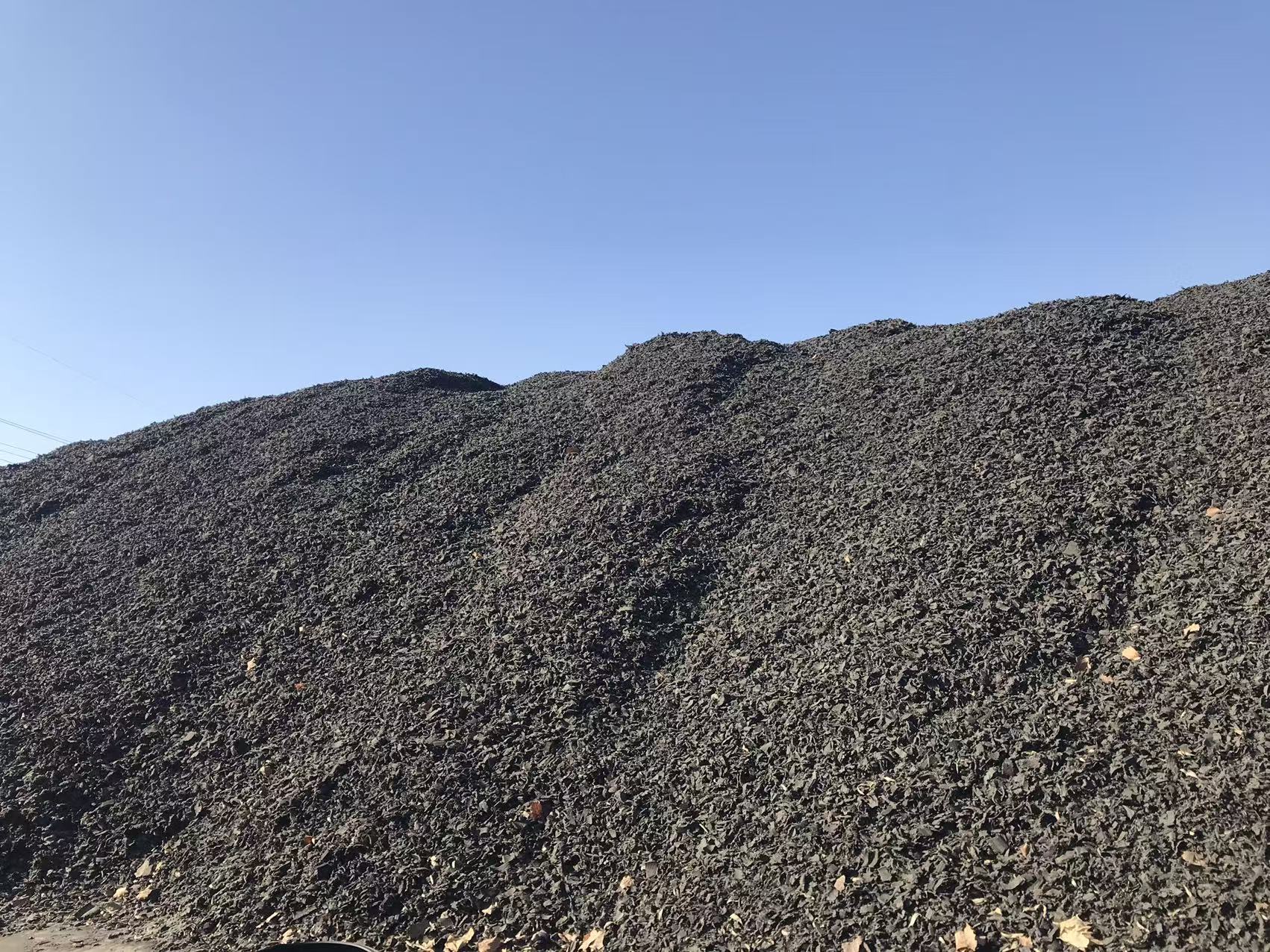
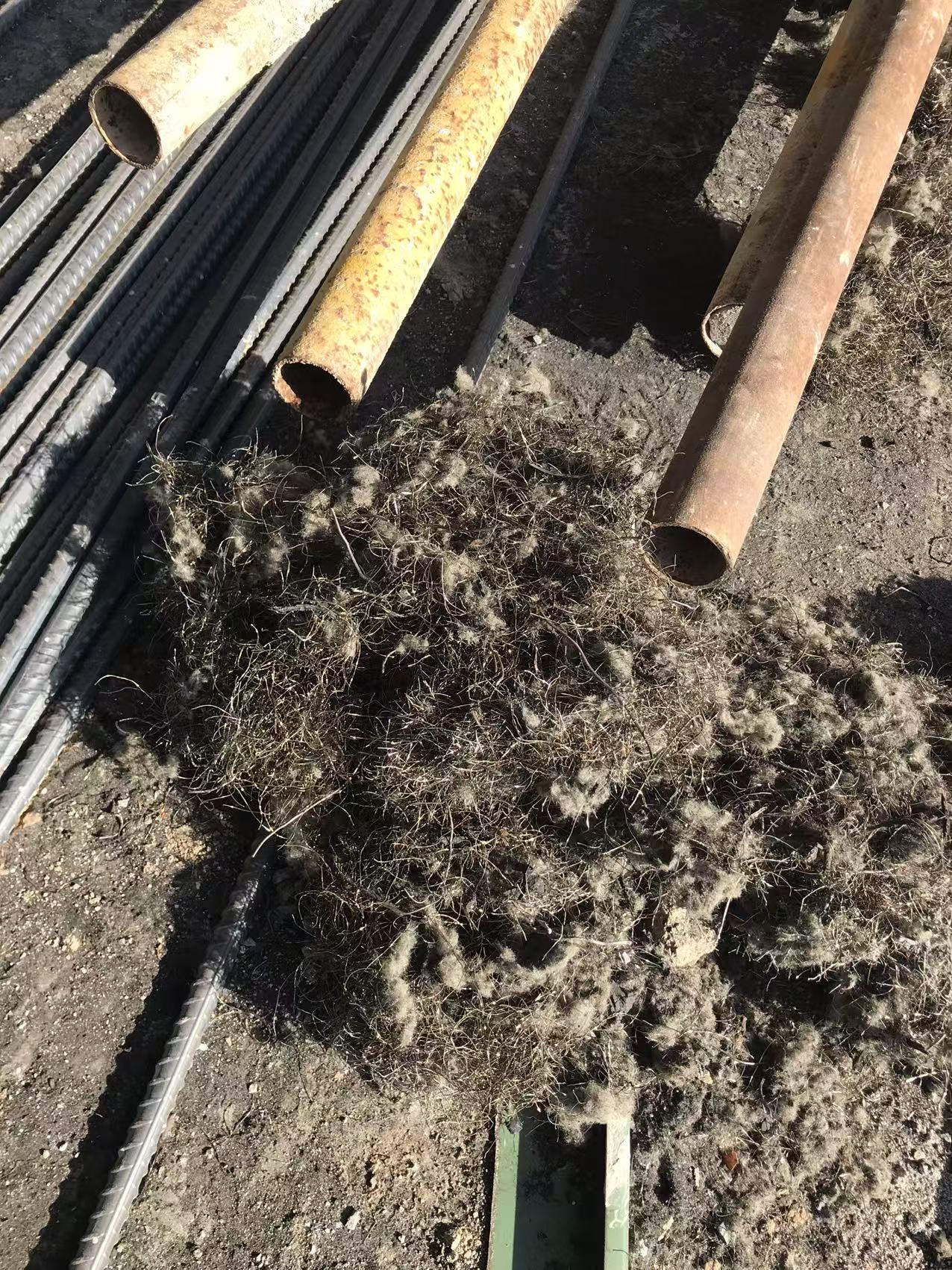
The solid carbon-rich residue left after removing pyrolysis oil, steel wire, and syngas is refined — through magnetic separation,
ultrafine grinding, devolatilization, and sometimes de-ashing — to become commercial rCB.
How rCB Differs from Virgin Carbon Black (vCB)
Property | Virgin Carbon Black (vCB) | Recycled/Recovered Carbon Black (rCB) |
Source | Incomplete combustion of heavy petroleum/natural gas | Pyrolysis of waste tires/rubber |
Carbon Content | >97–99% | ~70–85% |
Ash Content | <0.5–1% | 10–20% (SiO₂, ZnO, sulfides from tire formula) |
Volatile Matter | <1.5% | 3–15% (residual tars/PAHs, removed by refining) |
Particle Morphology | Uniform, controlled structure (N100–N900 series) | Composite of original CB types + ash, slightly broader distribution |
CO₂ Footprint | ~2.5–3.0 kg CO₂/kg product | Up to 70–85% lower emissions |
Cost | Higher, tied to oil prices | Generally lower, especially after refinement |
Properly refined rCB can partially or fully replace semi-reinforcing grades such as N330/N550/N660 in many applications.
Key Characteristics & Advantages of rCB
·Circular Economy Benefit — Diverts millions of end-of-life tires from landfills/incineration
and reintroduces carbon into the production cycle.
· Lower Environmental Impact — Significantly reduced CO₂ emissions and
fossil fuel dependence versus furnace black.
· Functional Performance — Still provides black pigmentation (jetness), UV shielding,
and semi-reinforcement in rubber & plastics; can be blended with vCB for balanced cost/performance.
· Cost Efficiency — Typically more economical, especially for non-critical color or
general-purpose applications.
Typical Applications of Recycled Carbon Black
· Rubber & Tire Industry — Partial replacement (10–50%+) of vCB in inner liners,
sidewalls, undertread, conveyor belts, hoses, gaskets, and mats.
· Black Masterbatch & Plastics — Used as pigment and UV stabilizer in PE/PP/PVC
black masterbatch for garbage bags, irrigation pipes, mulching films,
and injection-molded containers. Slightly higher loading may be needed to
match jetness of premium vCB.
· Inks, Coatings & Paints — Provides black pigmentation and UV resistance
in industrial coatings and printing inks (usually after finer milling).
⚠️ Note: rCB typically has higher ash and slightly lower jetness than premium virgin grades.
For food-contact plastics or high-gloss automotive exterior parts requiring ultra-pure color,
fully virgin carbon black or a carefully optimized vCB/rCB blend is recommended.
If you're sourcing Carbon Black or Black Masterbatch (Virgin or rCB-blend grades) for
film, pipe, or molding applications, YipChem supplies industrial-grade black masterbatch
with consistent dispersion and UV protection. Learn more at: https://www.yipchem.com.
Need a comparison guide between N330/N550/N660 vs rCB in black masterbatch formulation,
or a promotional article draft for your rCB-containing black masterbatch? Just let me know!