 Yip Chemical | Masterbatch and Carbon Black Supplier
Choosing the correct black masterbatch is a technical decision that balances aesthetics,
physical performance, processing stability, and cost.
A wrong choice can lead to surface defects (streaks, pinholes),
poor mechanical strength, or regulatory non-compliance.
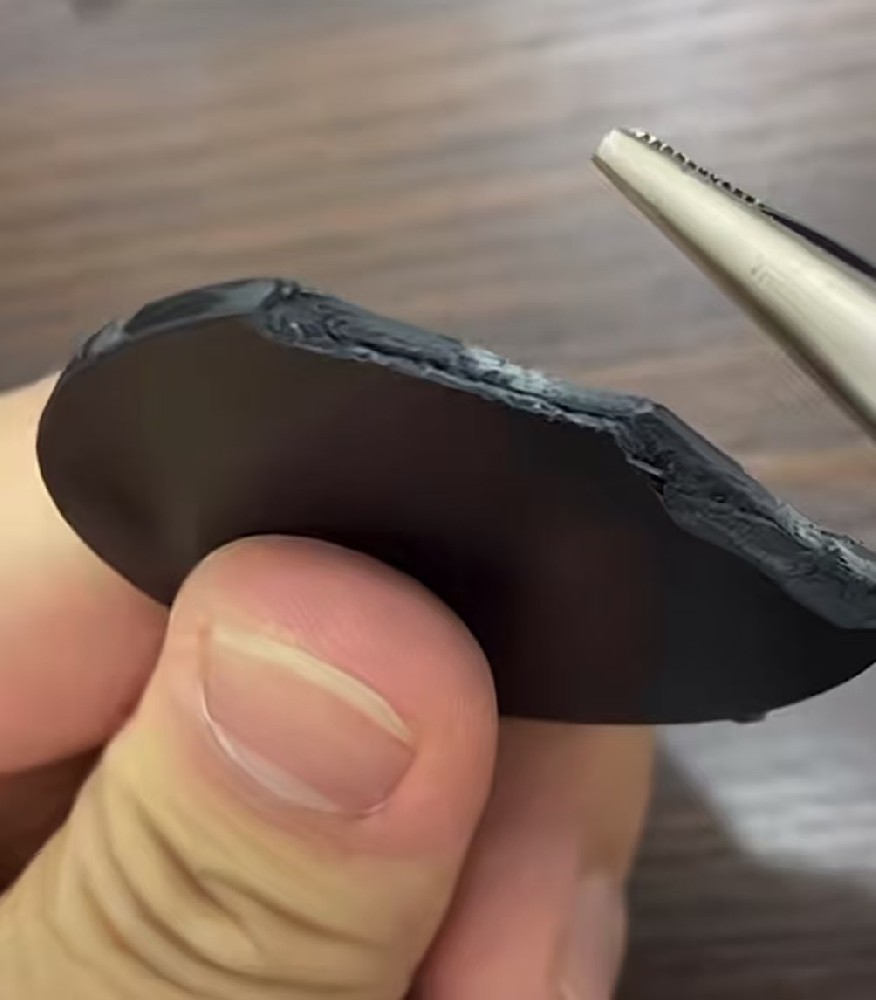
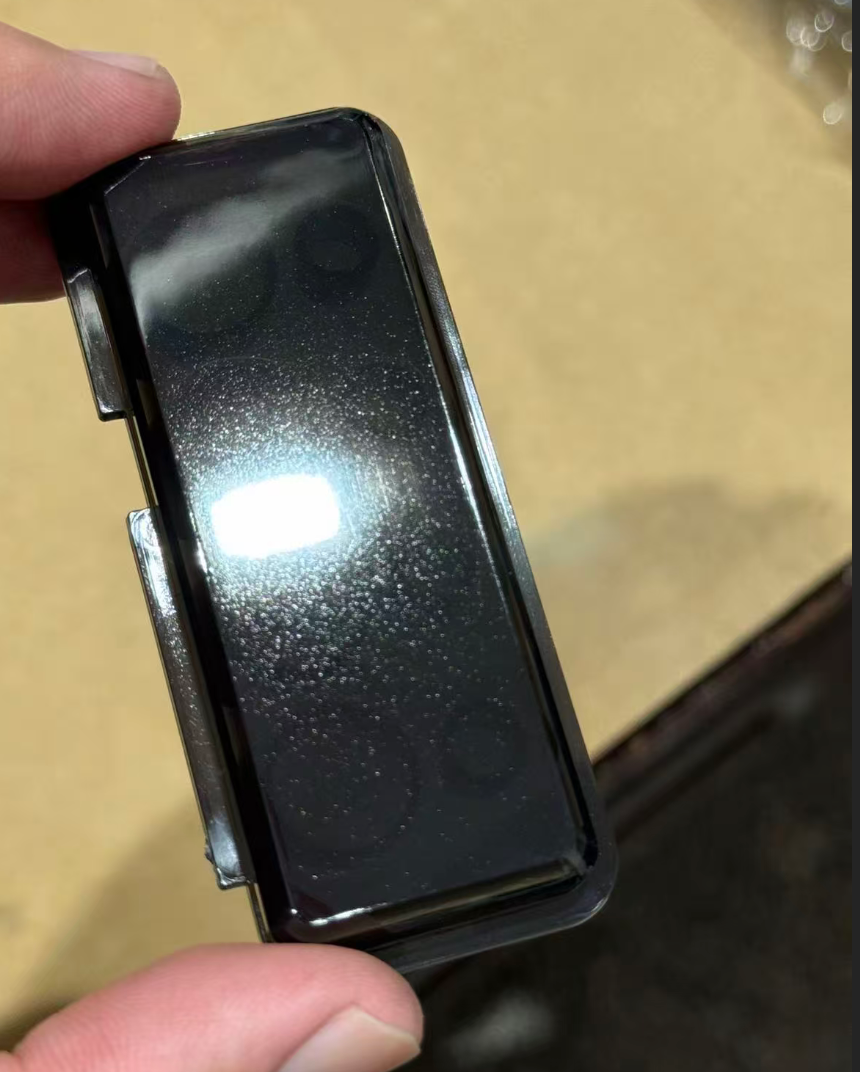
Here is a structured guide on how to select the right black masterbatch for your application:
1. Match the Carrier Resin (Compatibility)
The carrier resin of the masterbatch must be compatible with your base polymer
to ensure proper melting and bonding.
PE-based masterbatch: Best for LDPE, LLDPE, HDPE films, pipes, and extrusion coating.
PP-based masterbatch: Used for polypropylene injection molding, raffia, and non-wovens.
ABS / PET / PA carriers: Required for engineering plastics to avoid negative impacts on
impact strength, gloss, or heat deflection.
Risk: An incompatible carrier causes delamination, poor dispersion,
and reduced mechanical properties.
2. Evaluate Carbon Black Content and Jetness
Carbon Black Loading: Typically ranges from 20% to 50%.
High loading (40–50%): Offers high opacity and lower dosing rates
but requires excellent dispersion equipment.
Medium/Low loading (20–35%): More cost-effective for
general-purpose applications.
Jetness (Blackness): Determined by carbon black particle size.
Smaller particles (15–25nm) provide deeper black and
higher gloss (automotive/exterior parts),
while larger particles (30–50nm) are easier to
disperse for general injection molding.
Note: Do not simply increase dosage to get a darker color;
switch to a finer particle grade or higher concentration to avoid embrittlement.
3. Prioritize Dispersion Quality
Dispersion is arguably the most critical factor.
Poor dispersion leads to agglomerates, fish eyes,
streaks, and filter blockage.
Film/Blown applications: Require premium dispersion
(low Filter Pressure Value) to prevent pinholes and tearing.
Injection Molding: Requires good dispersion to maintain surface
smoothness and structural integrity.
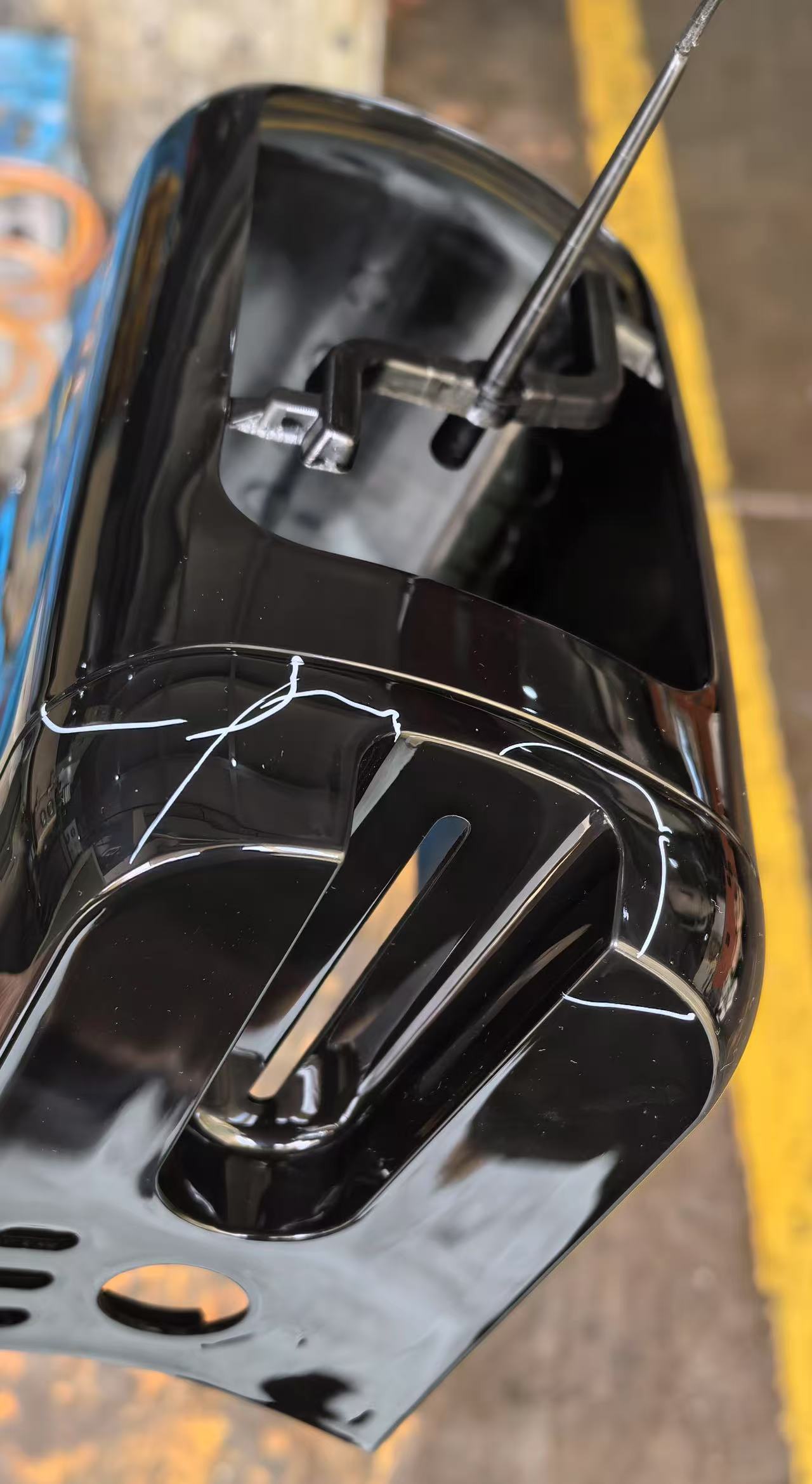
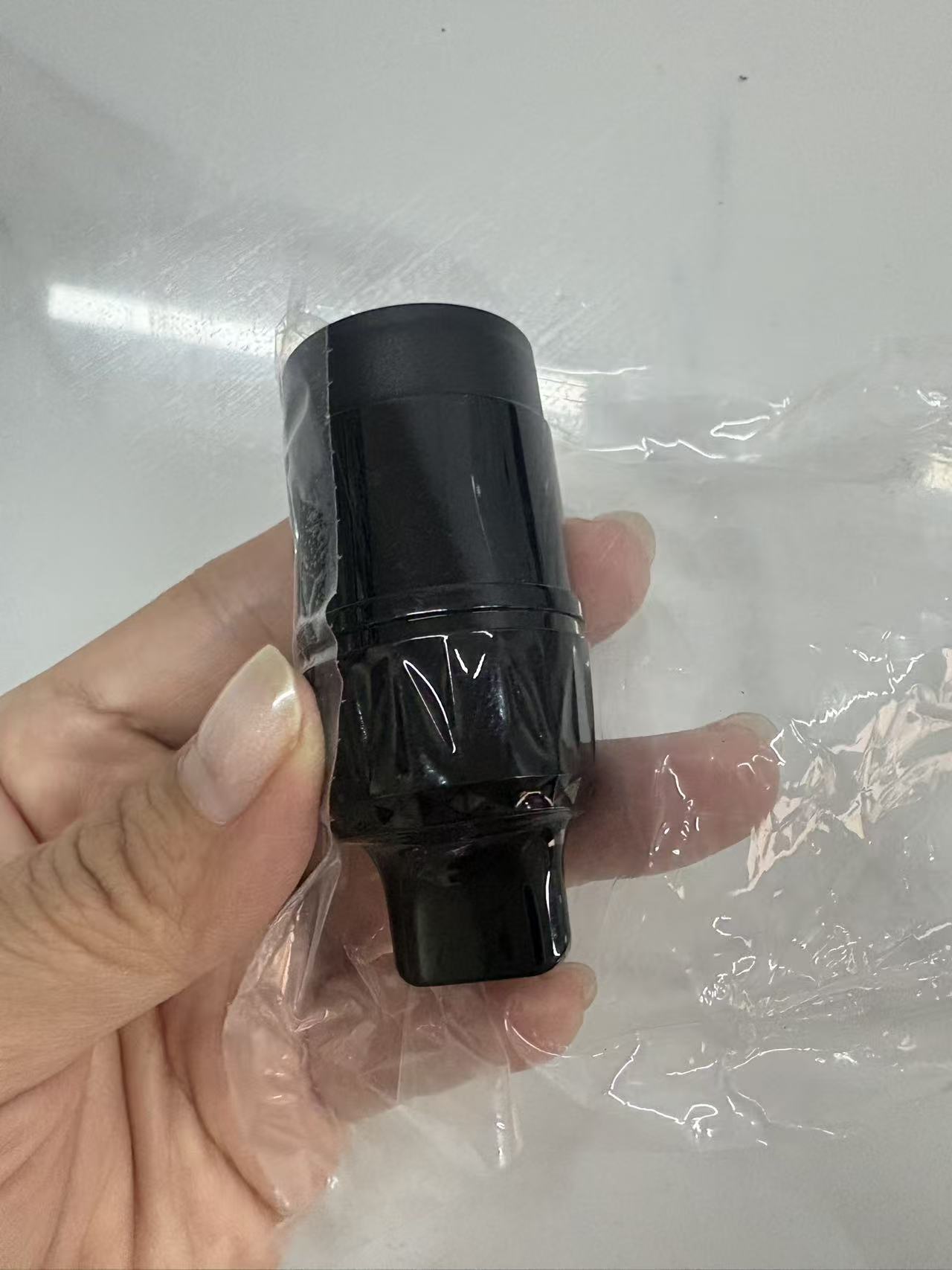
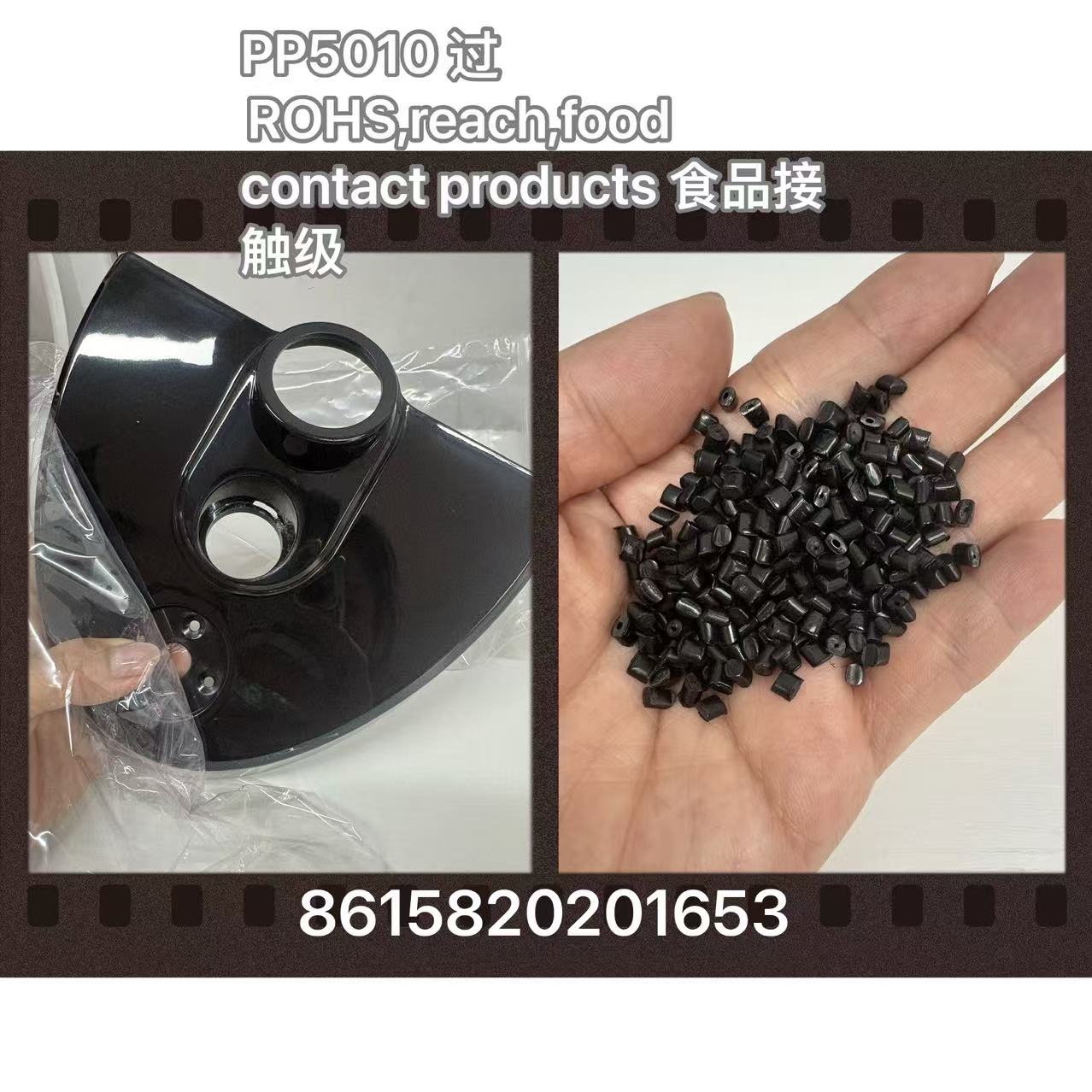
Always request a dispersion test report or
evaluate a pressed film sample under magnification.
4. Consider Functional Requirements
Define the end-use environment of your product:
Outdoor/UV Resistance: For pipes, agricultural films, and automotive exteriors,
choose masterbatches with fine carbon black (<20–25nm) which acts as a UV absorber,
potentially combined with HALS or UV stabilizers.
Conductive/Antistatic: Requires specialized conductive carbon black
structures for cables or electronic packaging.
Food Contact: Must comply with FDA, EU, or local regulations
regarding heavy metals and extractable content.
5. Assess Processing Conditions
Melt Flow Index (MFI): The masterbatch MFI should align with your
base resin to ensure homogeneous mixing.
A mismatch can cause flow marks or melt fracture.
Thermal Stability: Ensure the masterbatch withstands your processing
temperature (e.g., high-temp engineering plastics vs. standard PE extrusion).
Moisture Content: Should be ≤ 0.15% to prevent silver streaks,
bubbles, or splay marks.
6. Calculate Cost vs. Performance (Let-Down Ratio)
The price per kg is less important than the effective cost per kg of finished product.
A high-quality masterbatch with 50% carbon black might cost more but
require only a 1–2% let-down ratio, whereas a cheaper grade might need 4–5%,
making it more expensive in the long run.
Optimize the LDR based on the required opacity and strength.
Quick Selection Checklist:
·
[ ] Carrier resin matches base polymer?
·
[ ] Carbon black content suitable for LDR and opacity?
·
[ ] Dispersion quality verified (no specks/streaks)?
·
[ ] UV/Conductive/Food-grade specs met?
·
[ ] MFI and heat resistance match processing?
·
[ ] Supplier provides consistent technical data?
·
If you are evaluating high-performance carbon black and
black masterbatch solutions tailored to specific resins and processing methods,
you can explore technical specifications and
product grades at www.yipchem.com for further guidance.
Would you like me to help you narrow down the selection
by sharing your specific base resin and application
(e.g., PE film, PP injection molding, HDPE pipe)?